
Corporate Stage and Lighting Rentals: Key Planning Considerations
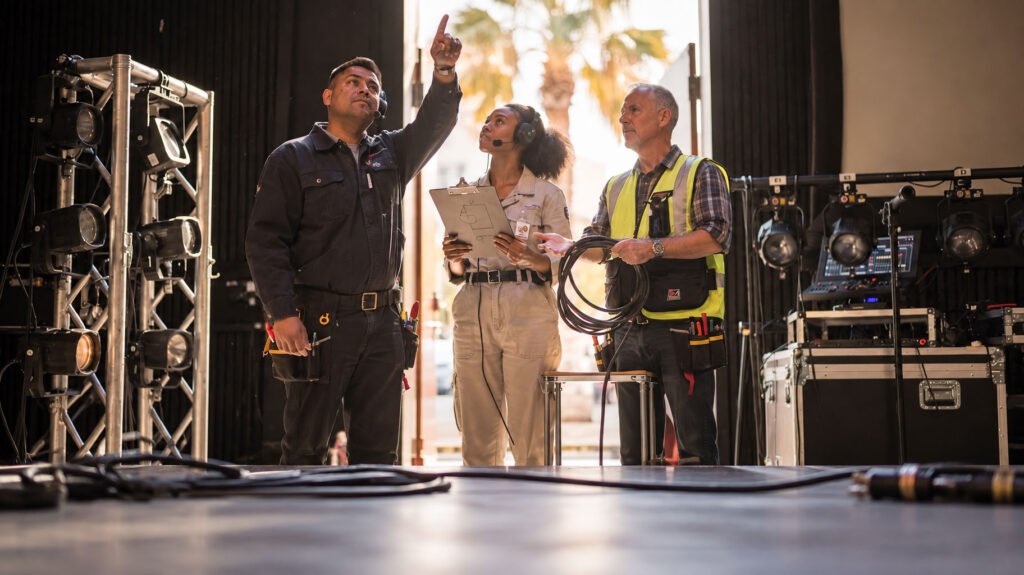
Successful corporate events and galas depend on stage and lighting choices that match the venue’s scale and the flow of the program. The right combination of staging, truss-mounted lighting, and power distribution shapes how guests see the stage, how presenters come across, and how the room feels from the opening remarks to the closing toast. At PartyGo Rentals, we work with planners and venue contacts across Los Angeles to plan staging and lighting around each event’s layout, rather than treating them as separate decisions.
Key Takeaways
Stage placement should follow sightlines first: every seat in the room needs a clear, unobstructed view of the speaker or presentation screen.
Presentation lighting and ambient room lighting serve different purposes, and balancing the two keeps speakers visible without washing out the room’s atmosphere.
Venue conditions, including ceiling height, floor space, and power access, shape what size stage and which lighting setup will actually work.
Event layout, from a theater-style keynote to a seated gala dinner, determines where the stage and lighting rigs need to sit relative to guests.
PartyGo Rentals helps plan staging and lighting together, based on the venue and the program, for corporate events and galas across Los Angeles.
What Do You Need Before Booking Stage and Lighting Rentals?
Planning comes before equipment selection. Stage and lighting are two of the most influential elements at any corporate gathering: together they shape how guests see the program, how presenters come across on camera, and how polished the room feels overall. Before pulling fixtures or platforms, it helps to map the venue and the goals of the event first.
What should we know about the venue before booking?
Venues vary widely, from hotel ballrooms and galleries to industrial warehouses and rooftop spaces. Each setting carries different power access, ceiling height, and ambient light, and all three affect how a stage and lighting plan comes together. A ballroom with low ceilings calls for a different approach than an open warehouse with exposed rigging points, so these conditions are worth confirming early rather than assumed.
Why does stage placement matter for audience visibility?
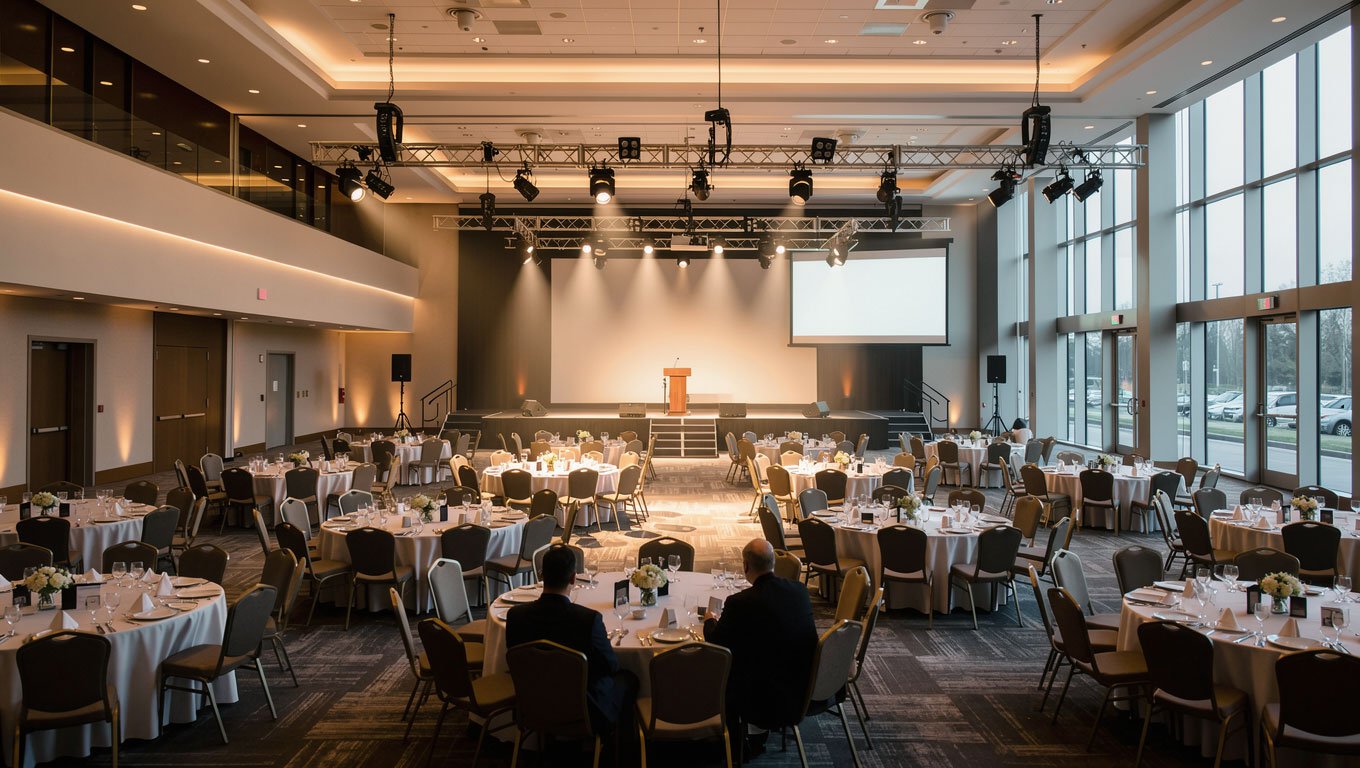
Where the stage sits in the room determines whether guests can actually see the program. Sightlines change with every seating configuration: a theater-style keynote needs a straight, unobstructed view to the podium, while a seated gala dinner has to account for tables, centerpieces, and guests at varying angles. Stage placement and audience visibility go hand in hand, and getting them wrong means some guests spend the evening looking at the backs of other people’s heads instead of the stage.
How Do You Set Stage Height And Lighting?
Stage height and lighting work together, not as separate decisions. A riser that’s too low gets lost behind seated guests; one that’s too high can feel disconnected from the room. The right height depends on the venue’s sightlines, the size of the audience, and how the space is laid out.
Lighting adds another layer once height is set. Presentation lighting, the fixtures aimed at the podium, screen, or head table, needs to be bright and consistent enough that speakers are clearly visible and well-lit on camera or livestream. Ambient lighting is different: it sets the mood for the rest of the room, whether that’s a warm wash over a dinner setting or color accents that match a gala’s theme. Getting the balance right means presenters are easy to see without the rest of the room feeling flat or overlit, and without ambient color spilling onto the stage and throwing off skin tones on camera.
A general approach for corporate and gala events:
Measure the venue’s ceiling clearance and sightline angles before selecting riser height.
Confirm power distribution and rigging points can support the lighting plan.
Separate presentation lighting from ambient lighting so each does its job without competing with the other.
Position fixtures to match how the program actually moves, from a keynote at a podium to a multi-speaker panel or an awards sequence.
Staging, lighting, truss, rigging, and power distribution work best when planned as one coordinated system rather than assembled piece by piece.
Does working with a local team matter for stage and lighting setup?
Familiarity with local venues helps load-in go smoother and keeps installations aligned with what each specific venue allows. Coordinating staging and lighting through one team, rather than juggling separate vendors, tends to simplify planning for corporate and gala events alike.
What Mistakes Hurt Gala Stage and Lighting Plans?
Gala stage and lighting plans run into trouble most often from skipped venue checks and underestimated structural needs. Ceiling height, rigging points, and power access get overlooked during early planning, and those gaps tend to surface mid-setup instead. Ballrooms, theaters, and outdoor gala spaces vary enormously in these specifications, so assuming one layout fits every venue creates avoidable delays.
Event layout plays a role too. A reception-style gala with guests moving between a cocktail area and a dinner space needs a different stage and lighting plan than a seated dinner where every table faces one direction. The layout determines not just where the stage goes, but how lighting needs to reach guests from multiple angles rather than just one.
What should planners verify before booking stage and lighting rentals?
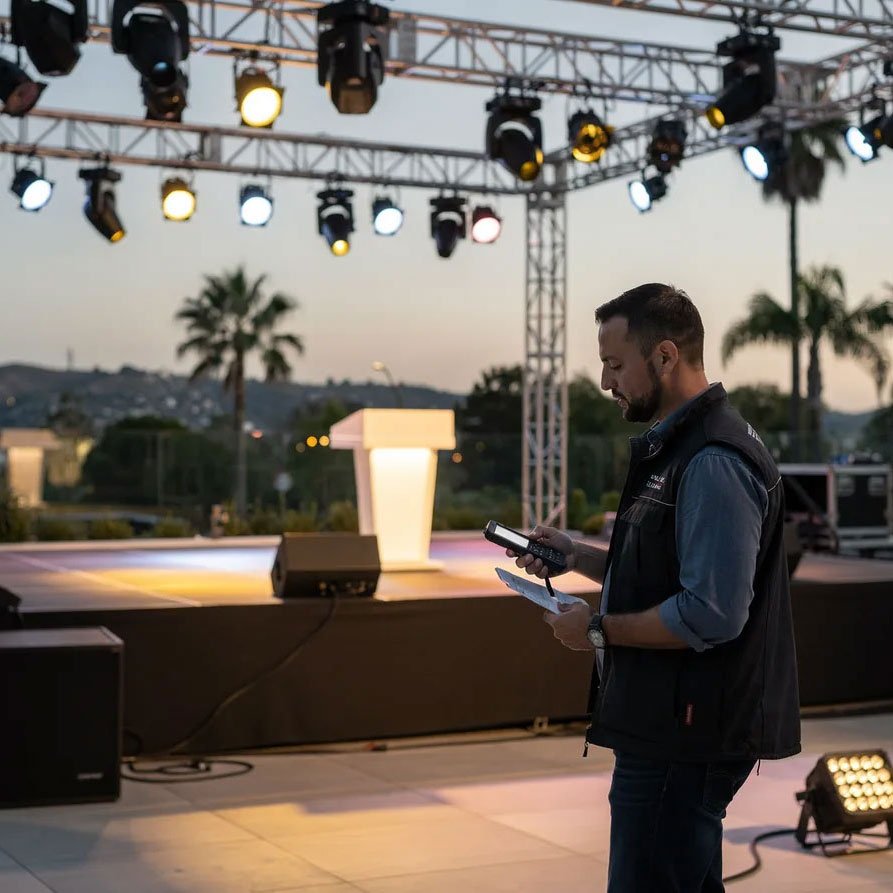
Confirm ceiling height and rigging point capacity with the venue manager.
Measure available floor space for staging and truss clearance.
Check power distribution limits against the lighting design’s load.
Walk the room with the rental team before finalizing placement.
Corporate galas and award ceremonies carry little margin for improvisation once guests arrive. PartyGo Rentals works with Los Angeles organizers on staging and lighting for large-scale events, aiming to avoid last-minute structural surprises on the day of the event.
FAQ
Common Inquiries
How do I know what stage height I need?
Stage height depends on your room’s sightlines and audience size. A good rule of thumb: the farther back your seating goes, or the more rows there are, the more elevation you’ll likely need so guests in the back can still see over the heads of those in front. Measuring the room’s ceiling clearance and testing sightlines from the back row is the best way to settle on a height.
What's the difference between presentation lighting and ambient lighting?
Presentation lighting is aimed at the stage, podium, or screen so speakers are clearly visible to the audience and to any cameras. Ambient lighting sets the mood for the rest of the room, think a warm dinner glow or color accents tied to a gala’s theme. Both matter, but they do different jobs, and balancing them keeps the stage clear without making the room feel flat.
Can my venue's ceiling height limit my lighting options?
Yes. Lower ceilings restrict how high truss and fixtures can be rigged, which can change the lighting plan significantly compared to a venue with more vertical clearance. It’s worth confirming ceiling height and rigging points with the venue before finalizing a lighting design.
Does the layout of my event change the stage and lighting plan?
It does. A seated dinner facing one direction needs a different setup than a reception where guests move between areas, or a program with multiple speakers at different points in the room. The layout affects where the stage sits and how lighting needs to cover the space from more than one angle.
How far in advance should I plan stage and lighting for a corporate event or gala?
Earlier is better, especially for larger events. Walking the venue ahead of time, confirming power and rigging capacity, and finalizing the layout all take time, and leaving them until the last minute increases the odds of surprises on event day.
Conclusion
Stage and lighting decisions for corporate events and galas work best when they start with the venue and the program, not the equipment. Sightlines, ceiling height, power access, and event layout all shape what size stage and what kind of lighting will actually serve the room, and presentation lighting and ambient lighting each have a role to play in how the evening comes across. Planning these elements together, rather than as separate bookings, tends to make for a smoother event from the first remarks to the last toast.
Ready to Plan Your Tent Rental?
If you’re planning a corporate event or gala in the Los Angeles area and want to talk through staging and lighting options for your venue, reach out to PartyGo Rentals. We’re happy to help you think through what will work best for your space.