
How to Plan an Elegant Large Scale Event Without Overlooking the Details
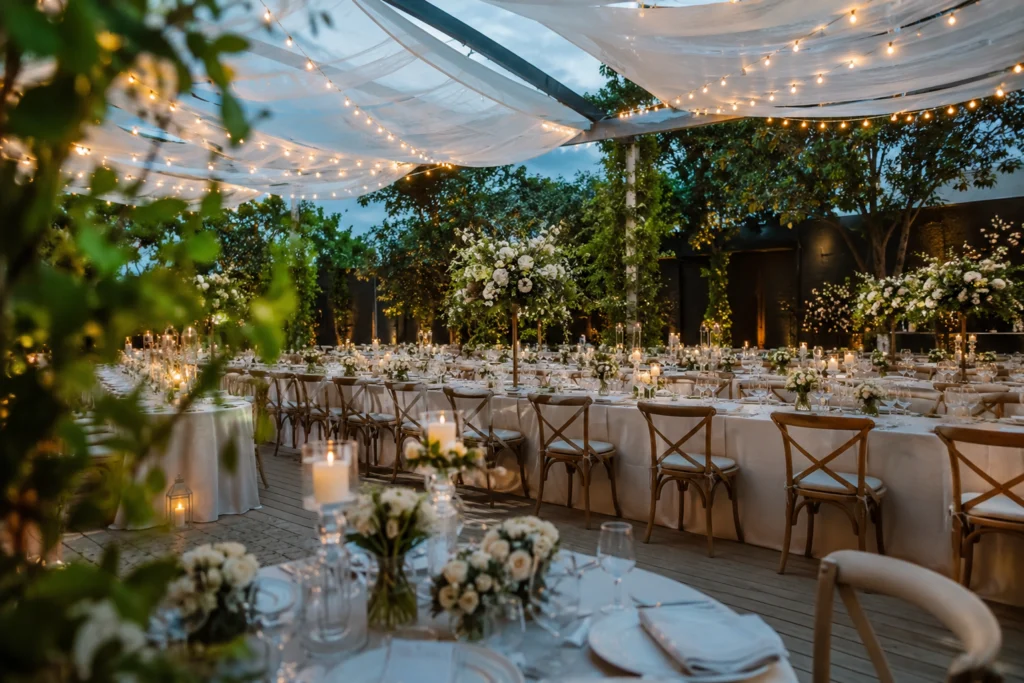
Planning an elegant large-scale event without overlooking the details starts with a clear vision and a checklist that covers venue, layout, and logistics well before the first guest arrives. From that vision, every detail, from seating to lighting, should reinforce the same sense of occasion.
Elegant large-scale events depend on tents, seating, linens, lighting, staging, and catering equipment coming together as one cohesive look rather than a mix of mismatched pieces. PartyGo Rentals provides event rentals for weddings, galas, corporate functions, and other large celebrations throughout the Los Angeles area, helping bring essential elements of the event setup together in a cohesive way.
Key Takeaways
- Start with a clear purpose for the event, whether that’s sparking conversation, celebrating a milestone, or creating a memorable evening, so every layout and rental decision supports that goal.
- Large-scale events depend on coordinated seating, tables, tents, linens, lighting, and staging that work together as one cohesive look rather than pieces from different sources.
- Breaking the planning process into clear stages, venue, layout, rentals, and setup, helps prevent small details from being overlooked as the guest list grows.
- A polished event balances three things at once: a meaningful guest experience, a cohesive visual presentation, and smooth execution on the day itself.
What Do You Need Before Planning a Large-Scale Event?
Large-scale event planning demands three key elements before any vendor gets a call: a defined scope, a single point of coordination, and a realistic sense of the venue’s complexity. Elegant events succeed or fail on groundwork laid weeks before load-in, not on last-minute fixes. PartyGo Rentals serves weddings, galas, and corporate productions across Los Angeles County with the rental equipment those events depend on.
Why work with a full-service event rental provider?
A full-service event rental partner removes the burden of juggling separate contracts for tables, tents, lighting, and catering equipment. Instead of sourcing different rental categories from multiple companies, working with a full service event rental provider can simplify the process by bringing more of the event’s rental needs together through one source.
Before locking in a plan, it helps to work through these steps in order:
- Define the event’s purpose and guest experience. Every planning decision, from layout to lighting, should flow from a clear sense of what the event is meant to achieve.
- Identify whether the production qualifies as large or complex. Larger productions may require more detailed planning before rental selections are finalized.
- Consolidate rental needs under one provider rather than splitting orders across multiple suppliers.
- Confirm delivery logistics early, especially for venues across the Westside, the Valley, or northern neighborhoods.
What changes when planning a larger event?
Scale isn’t just guest count; it’s the number of moving vendor relationships a host has to manage. Corporate galas and large weddings in Los Angeles often involve tighter timing windows, making single-provider coordination for rentals essential rather than optional.
How Do You Set Goals and Choose a Venue?
Clear objectives come first, and venue selection follows from them. A mismatched location undoes even the strongest planning later on, so it’s worth settling the goal before touring a single space.
Goals shape everything downstream. A networking-focused gathering needs open floor space and conversation zones. An awards dinner calls for a formal stage and tiered seating. Hosts should define the purpose early: is the event about brand visibility, donor cultivation, or celebration? That answer determines guest flow, program length, and the type of event rentals best suited to the layout.
A well-run corporate event does more than fill a room for a few hours. Executed cleanly, with a cohesive look across seating, lighting, and staging, it raises a company’s public profile and can become an occasion guests look forward to year after year.
What should I look for in a venue?
- Define the event’s primary goal and audience.
- Estimate guest count and required floor plan.
- Shortlist venues that fit both budget and capacity.
- Confirm site access for rental delivery and setup.
- Walk the space with your venue contact before finalizing rentals.
How Do You Coordinate Rentals and Vendors at Scale?
Coordination at scale starts with treating rentals as one connected system rather than a collection of separate orders. Tables, seating, tents, linens, lighting, staging, and catering equipment should be considered together so each element supports the event layout and overall design. A missed delivery window or mismatched linen order can derail an entire timeline, which is why consolidating rentals under one provider matters most as an event grows in scale.
A large event generally moves through the same rental sequence, refined to fit the venue and guest count:
- Browse the catalog online to see what’s available and get a sense of how pieces work together.
- Select the equipment needed, from seating and tables to tents, linens, and catering gear.
- Schedule delivery around a confirmed event date so inventory and timing line up.
- Coordinate placement with venue staff and other vendors ahead of setup day.
- Delivery, setup, and pickup follow, timed to the event schedule.
What Keeps Vendor Handoffs From Causing Delays?
Confirming access times, loading zones, and placement with venue contacts before crews arrive helps prevent the scheduling conflicts that stall setup on event day.
Why Does Coordinating Rentals Matter So Much for Large Events?
The more categories of equipment an event requires, tables, tents, lighting, linens, staging, catering pieces, the more chances there are for something to feel mismatched if it’s sourced piecemeal. Drawing rentals from one inventory keeps the look consistent from the entrance to the last table, and it means fewer contracts and fewer delivery windows to track. For hosts managing galas, weddings, or large gatherings across Los Angeles, that consistency is often what makes a big event still feel intimate and considered.
How Do You Execute Setup and On-Site Logistics?
Execution follows a fixed sequence, not guesswork. Once a booking is confirmed, timing gets locked in, venue contacts get looped in, and placement gets mapped before a single truck leaves the yard. That structure is what separates dependable rental service from a pile of equipment dropped at a loading dock.
Here is how it typically moves from confirmation to final pickup:
- Confirm the timeline. Delivery windows, venue access hours, and any restrictions specific to the property get verified in advance.
- Coordinate with venue staff. Looping in on-site managers helps ensure equipment arrivals don’t collide with catering, AV, or other vendor schedules.
- Plan placement in advance. Layouts are mapped before arrival, reducing guesswork once trucks are on-site.
- Execute delivery and setup. Crews prepare each item carefully, whether it’s an intimate backyard party or a corporate gala.
- Handle pickup on schedule. Equipment is removed promptly once the event concludes, closing the loop cleanly.
What if my event runs late or starts before standard business hours?
For time-sensitive productions, it’s worth confirming delivery and pickup windows with your rental provider in advance, particularly for early-morning corporate breakfasts or weddings that run past midnight.
Does location affect how setup happens?
Traffic patterns and access across Los Angeles neighborhoods can affect delivery timing, so it’s worth confirming logistics early, especially for venues with limited load-in windows.
Punctual arrivals and careful placement aren’t extras; they’re what corporate planners and wedding coordinators depend on when logistics can’t afford to slip.
What Mistakes Should You Avoid at Large Events?
The most costly mistakes at large events happen before the event even starts. Missed deadlines, overlooked vendor contracts, and underestimated venue needs force hosts into real-time problem-solving that strains budgets and timelines alike. Treating rental planning as a discipline of prevention, rather than repair, pays off as guest counts climb.
Guest volume changes everything about how a gathering must be planned. A larger event demands far more planning discipline than a smaller gathering ever requires. A seating plan that works for a modest guest list collapses without structured coordination once that list grows.
Why does equipment consistency matter so much?
Inconsistent rental inventory creates visible gaps at scale, from mismatched chairs to tents that don’t align across a venue. PartyGo Rentals maintains its equipment to a high standard of cleanliness and presentation, so every piece looks the part once it’s in place. That consistency is what holds a large, visually layered event together.
How early should we confirm our rental timeline?
Confirming timelines as early as possible pays off for any large corporate event or wedding. Securing rentals for large productions works best when booked well ahead of the date. Common planning mistakes to avoid include:
- Finalizing headcount after ordering rental quantities
- Skipping a walkthrough with the delivery and setup team
- Assuming vendor contracts confirm themselves without follow-up
- Waiting until the final week to lock timelines
FAQ
Common Inquiries
What rentals matter most for a large-scale event?
Seating, tables, tents, linens, lighting, and staging carry the most visual weight at a large event, since guests interact with them throughout the evening. Catering equipment matters just as much for keeping service smooth, even though it’s less visible. Choosing these pieces from one coordinated inventory helps them read as a single, considered design rather than a mix of unrelated rentals.
How do rentals affect guest flow at a large event?
Layout and rental choices shape how guests move through a space, from the entrance to seating to any program elements like a stage or dance floor. Tables, tent placement, and staging should be planned together so pathways stay open and guests naturally find their way between conversation areas, dining, and any focal points without congestion.
How can I keep the design cohesive across a large guest list?
Cohesion comes from consistency, matching linens, complementary seating styles, and lighting that ties different zones of the venue together. The more guests an event hosts, the more small inconsistencies stand out, so it helps to source tables, chairs, tents, and lighting from a single rental provider rather than combining pieces from different sources.
How do I choose the right rentals for my event?
Start with the event’s purpose and guest count, then work outward to layout: how many seating areas are needed, whether a tent is required, and what staging or lighting the program calls for. From there, catering equipment and finishing details like linens round out a cohesive look suited to the venue.
How far in advance should I book rentals for a large event?
Booking well ahead of the date gives hosts the best selection of tents, seating, and staging, and leaves time to adjust quantities as the guest list is finalized. Confirming rentals early also makes it easier to coordinate delivery timing with the venue and other vendors as the event date approaches.
Conclusion
Planning an elegant large-scale event means holding the grand vision and the granular details in mind at once, because it’s the details, seating, linens, lighting, staging, that transform a gathering into a polished experience. Clear timelines, thoughtful venue choices, and consistent, well-maintained rentals give an event the cohesive look guests remember long after it ends. The difference between a good event and a memorable one often comes down to that consistency, letting hosts focus on their guests while the details fall seamlessly into place.